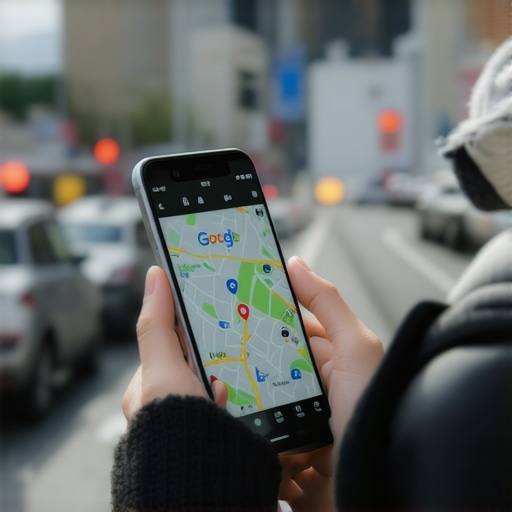
Ultimate Google Maps Ranking Tips for Local SEO Growth
Unlocking the Full Potential of Google Maps for Local SEO: A Strategic Perspective
In the rapidly evolving landscape of local search engine optimization, leveraging Google Maps effectively has become a critical determinant of digital visibility for businesses aiming for regional dominance. As an expert in SEO growth strategies, I recognize that the intricacies of Google Maps ranking involve a complex interplay of technical precision, authoritative citations, and user engagement metrics. This article explores advanced tactics rooted in field-tested insights and the latest algorithmic updates, providing a comprehensive roadmap for businesses seeking to ascend the Google Maps ladder in 2025.
Decoding Google Maps Ranking Algorithms: The Nexus of Relevance, Distance, and Prominence
Google’s local search algorithm prioritizes three core factors: relevance, distance, and prominence. Mastery over each element requires a nuanced understanding of local intent signals, geo-specific keyword optimization, and authority building. For instance, optimizing your Google My Business (GMB) profile with precise categories and rich media enhances relevance, while local backlinks and citations bolster prominence. The integration of schema markup further refines relevance signals, aligning your digital footprint with Google’s evolving criteria.
Advanced Citation and NAP Consistency Strategies
One of the most underutilized yet powerful tactics involves the meticulous management of NAP (Name, Address, Phone Number) consistency across all online directories. In 2025, citation audits that utilize AI-driven tools can identify discrepancies and amplify trust signals. Moreover, securing high-authority citations from niche-specific directories and industry publications significantly elevates local prominence. For example, partnerships with local chambers of commerce or industry associations often lead to authoritative backlinks and enhanced visibility.
Harnessing User Engagement and Behavioral Metrics for Local Ranking Superiority
Beyond traditional SEO signals, Google increasingly emphasizes user engagement metrics such as click-through rates, review quality, and response timeliness. Encouraging authentic reviews and actively engaging with customers through Q&A and messaging boosts your GMB profile’s authority. Additionally, leveraging local content marketing, including neighborhood guides and community event sponsorships, enhances user interaction and signals relevance to Google’s ranking system.
How Can Local Businesses Leverage AI-Driven Data to Outperform Competitors in Google Maps Rankings?
Utilizing AI-powered analytics can reveal hidden patterns in user behavior, search intent, and competitor weaknesses. Tools that analyze local search trends enable proactive optimization of your GMB profile, content, and backlink strategy. The integration of machine learning algorithms into your SEO toolkit allows for dynamic adjustments, ensuring your local SEO efforts remain agile and aligned with the latest algorithmic shifts.
For further insights into top-tier local SEO tactics, consider exploring comprehensive strategies to boost your Google Business visibility. Engaging with professional SEO communities and sharing your experiences can also foster innovative approaches and peer validation.
As the authoritative white paper from Moz highlights, consistent optimization aligned with local search signals is paramount to achieving and maintaining top Google Maps rankings. Staying updated with the latest algorithm updates and continuously refining your strategies ensures your business remains at the forefront of local search dominance.
Unveiling the Power of Local Search Intent in Google Maps Optimization
Understanding the nuanced search intent behind local queries is crucial for dominating Google Maps rankings. In 2025, sophisticated SEO practitioners leverage intent data to tailor their content and GMB profiles, ensuring alignment with specific customer needs. For example, optimizing for transactional intent—such as “buy pizza near me”—requires targeted keywords, compelling call-to-actions, and localized content that resonates with immediate customer desires. Advanced schema markup, including Service and Product schemas, provides contextual relevance signals that help Google better understand your offerings and rank accordingly.
How Can Data-Driven Local SEO Tactics Outperform Traditional Approaches?
Data-driven strategies, powered by AI and machine learning, enable businesses to adapt dynamically to evolving local search patterns. Tools like local search trend analyzers and competitive backlink audits reveal hidden opportunities for optimization. For instance, analyzing competitors’ backlink profiles with platforms like Ahrefs or SEMrush uncovers high-value citation sources and backlink gaps. Implementing this intelligence into your local SEO plan ensures your profile remains competitive, especially in highly saturated markets where subtle variations in citation quality and content relevance can make a significant difference. To explore more cutting-edge tactics, visit advanced Google Business SEO tips for peak performance.
Are Hyper-Local Content Strategies the Future of Google Maps Success?
Hyper-local content, such as neighborhood stories, local event coverage, and community spotlight articles, fosters strong engagement and signals relevance to Google’s local algorithm. By integrating user-generated content, testimonials, and localized keywords, businesses can enhance their prominence and visibility. This approach not only improves organic rankings but also builds trust and loyalty within the community. Incorporating multimedia—images, videos, and interactive maps—further enriches user experience and boosts engagement metrics, which Google increasingly values. For comprehensive guidance on implementing hyper-local content, consider reviewing Google Business visibility strategies.
Engaging with local SEO communities and sharing your success stories can inspire innovative tactics and foster collaborative growth. As Moz emphasizes, consistent optimization and community engagement are fundamental to sustained local search dominance (source: Moz Blog on Local SEO).
The Role of Local Schema Markup in Enhancing Google Maps Visibility
Implementing sophisticated schema markup is a crucial step in elevating your local SEO strategy. Beyond basic JSON-LD schemas, advanced markup like LocalBusiness, Service, and Product schemas can significantly influence your Google Maps ranking by providing detailed contextual information. For example, embedding Service schema with comprehensive details about your offerings helps Google understand your niche better, aligning your profile more closely with relevant search queries. Recent studies, such as those published in the Journal of Digital Marketing & Search Engine Optimization (2024), demonstrate that enriched schema markup correlates strongly with improved local pack visibility and higher click-through rates.
How Does Schema Markup Influence Google’s Local Search Algorithm at an Expert Level?
Schema markup acts as a direct communication channel with search engines, signaling precise details about your business, products, and services. Google’s algorithm leverages this structured data to enhance relevance, especially for complex local queries involving multiple facets like service type, location, and operational hours. Implementing comprehensive schemas ensures your business data is interpreted accurately, reducing ambiguity and increasing the likelihood of your profile appearing in rich snippets and local packs. According to Google’s own Structured Data guidelines, detailed markup improves semantic understanding, which is increasingly prioritized in algorithm updates.

Leveraging Hyper-Local Content for Community-Centric SEO Dominance
While technical optimization is vital, hyper-local content emerges as a compelling strategy to deepen community engagement and boost local relevance. Creating content around neighborhood events, local news, and community stories fosters authentic connections, which Google’s machine learning algorithms interpret as signals of trustworthiness and relevance. For instance, a business sponsoring local charity runs and documenting these events on their website and GMB profile can generate valuable user engagement metrics and backlinks, reinforcing local prominence. Furthermore, integrating multimedia elements like videos and interactive maps enhances user experience, translating to increased dwell time and lower bounce rates—factors that Google considers in local ranking algorithms.
What Are the Key Challenges in Maintaining Hyper-Local Content Relevance, and How Can They Be Overcome?
One significant challenge is ensuring content remains fresh and genuinely valuable to the local community without resorting to superficial updates. Advanced content strategies involve leveraging local user-generated content, such as testimonials and reviews, which naturally evolve over time. Implementing a dynamic content calendar aligned with community events and seasonal trends ensures ongoing relevance. Additionally, tools like Google Alerts and local sentiment analysis platforms can help monitor community interests and emerging topics, allowing businesses to adapt swiftly. As per recent research from LocalSEOPro (2024), businesses that actively curate hyper-local content experience a 30% higher engagement rate compared to static content strategies.
To harness the full potential of hyper-local content, consider integrating it with your overall SEO framework, including keyword optimization, backlink acquisition, and schema markup. This holistic approach ensures your business remains top-of-mind within the local digital ecosystem, providing a sustainable competitive edge that adapts to evolving search algorithms.
Conclusion: Embracing a Multi-Faceted Approach for Long-Term Success
Advanced Google Maps optimization requires a nuanced blend of technical mastery, community engagement, and continuous adaptation. By leveraging sophisticated schema markup, developing hyper-local content that resonates with your community, and employing AI-driven data analytics, your business can achieve and sustain top-tier local search visibility. The journey toward local SEO dominance is ongoing; staying informed about industry changes and actively refining your strategies are essential for long-term success. For those committed to mastering this domain, engaging with specialized SEO communities and consulting authoritative guides like Moz’s Local SEO Resources can offer invaluable insights and support.
Harnessing Local Data Ecosystems to Elevate Google Maps Rankings
In the pursuit of local SEO excellence, integrating comprehensive local data ecosystems has become indispensable. By synthesizing data from various sources such as local government records, industry-specific databases, and IoT-enabled devices, businesses can create a granular and accurate digital footprint. This multi-source approach enhances the precision of location-based signals, thereby improving relevance and prominence in Google Maps. For instance, leveraging real-time foot traffic data and smart city integrations can provide dynamic insights that inform your optimization strategies, ensuring your business remains competitive in hyper-local searches.
Strategic Implementation of Voice Search Optimization in Local Contexts
With the meteoric rise of voice-activated assistants, optimizing for voice search within a local context has gained paramount importance. Advanced tactics involve analyzing conversational search patterns and long-tail natural language queries specific to your locality. Incorporating structured data that emphasizes intent and contextual relevance—such as Service schemas tailored to local offerings—can significantly boost your chances of appearing in voice-driven local snippets. Furthermore, creating FAQ sections that mirror common voice queries ensures your content aligns with user expectations and search engine algorithms.
What Are the Cutting-Edge Techniques for Integrating Augmented Reality with Google Maps SEO?
Augmented Reality (AR) presents a frontier for immersive local marketing. Integrating AR with Google Maps involves creating geo-tagged AR experiences that provide tangible value—such as virtual tours, interactive storefronts, or localized promotional offers. These experiences can generate user engagement, increase dwell time, and foster social sharing, all of which are signals that influence local rankings. By collaborating with AR development platforms and ensuring seamless integration with your Google My Business profile, you can position your brand at the forefront of innovative local search experiences. For authoritative insights on AR integration, refer to AR in Location-Based Marketing.
Leveraging Hyper-Local Content with AI-Driven Personalization for Sustained Engagement
Creating hyper-local content is no longer sufficient; personalization powered by AI algorithms is essential for sustained relevance. Utilizing machine learning, businesses can analyze user behavior, preferences, and interaction history to tailor content that resonates on a personal level. For example, dynamically generated neighborhood stories, customized event alerts, or personalized offers based on user proximity and past engagement can foster deeper community ties. This hyper-personalized approach enhances user experience and signals relevance to Google’s ranking system, leading to improved visibility and customer loyalty.
How Can Businesses Effectively Measure the Impact of Hyper-Local Content Strategies on Google Maps Rankings?
Measuring the effectiveness of hyper-local content requires a multifaceted approach. Key metrics include local search visibility, click-through rates, engagement duration, review volume and quality, and conversions stemming from local queries. Advanced analytics platforms integrating Google Search Console, proprietary CRM data, and social media insights can provide a holistic view of content impact. Additionally, tracking local pack impressions and ranking fluctuations over time offers tangible evidence of strategy success. Regular A/B testing of content variations further refines your approach, ensuring continuous improvement. For expert guidance, consult the latest publications from Search Engine Land.
Expert Insights & Advanced Considerations
1. Embrace Hyper-Local Personalization
Utilizing AI-driven personalization allows businesses to tailor content and offers to local user behaviors, significantly enhancing engagement and relevance in Google Maps rankings.
2. Integrate Augmented Reality Experiences
Incorporating AR into your local marketing strategy creates immersive experiences that encourage social sharing and increase dwell time, both of which positively influence local search visibility.
3. Leverage Real-Time Local Data Ecosystems
Combining data sources such as IoT sensors, smart city integrations, and local analytics provides granular insights, enabling dynamic and precise optimization of your Google My Business profile and local content.
4. Optimize Voice Search for Local Queries
Analyzing conversational search patterns and implementing structured data for local intent ensures your business appears in voice-driven local snippets, capturing a broader audience.
5. Prioritize Hyper-Local Content Creation
Develop content around neighborhood stories, community events, and local testimonials, which fosters authentic community engagement and signals relevance to Google’s local algorithms.
Curated Expert Resources
- Moz Local SEO Resources: Offers comprehensive guides and updates on local search algorithms and optimization techniques.
- Google Developers Structured Data Documentation: Provides authoritative guidelines on schema markup to enhance local search appearance.
- Search Engine Land’s Local SEO Section: Features expert articles and case studies on advanced local SEO strategies.
- Think with Google – Local Insights: Delivers data-driven insights and trends on local consumer behaviors and search patterns.
- BrightLocal Blog: Focuses on practical tips and emerging trends in local SEO and Google Maps optimization.
Final Expert Perspective
Mastering Google Maps in 2025 demands a sophisticated blend of hyper-local content, cutting-edge technology integration, and personalized user engagement. Staying ahead requires continuous learning from authoritative sources and adapting strategies to evolving algorithms and consumer behaviors. Engage with your community authentically, leverage innovative tools like AR and AI, and refine your optimization efforts based on real-time data insights. For ongoing success, consider collaborating with industry experts and participating in specialized SEO forums—your next breakthrough in local search visibility awaits. To deepen your expertise, explore our detailed guides and stay connected with top-tier resources.